
300,000 Globally
There are around 15,000 people living with Duchenne in the United States and more than 300,000 globally.
Learn about dystrophin, symptoms, and care to help you better understand and navigate the Duchenne journey.
Meet Tripp—he is living with Duchenne and he is a paid ambassador.

Duchenne muscular dystrophy (also called Duchenne or DMD) is a genetic condition where muscles progressively get damaged and weaker over time.
Duchenne is caused by a genetic mutation to the dystrophin (DMD) gene. A DMD gene mutation causes people living with Duchenne to have little to no dystrophin—a vital protein which helps to strengthen and protect muscles.
There are around 15,000 people living with Duchenne in the United States and more than 300,000 globally.
People with Duchenne face significant challenges, including movement limitations, learning and developmental delays, and heart and breathing problems.
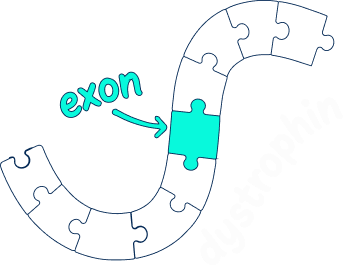
In order to function properly, our muscles need dystrophin. Dystrophin is a key part of a group of proteins that all work together to strengthen and protect muscles as they contract and relax.
Due to a genetic mutation, people with Duchenne make little or no usable dystrophin. A genetic mutation can mean a couple of things. Some mutations cause deletions, which means a person is missing one or more exons from their dystrophin gene. Some cause other changes to the gene that stop it from working properly.
Without usable dystrophin, people with Duchenne gradually lose healthy muscle tissue. This leads to common DMD symptoms, including muscle weakness, balance issues, and serious health complications over time.
Some symptoms of Duchenne can be seen as early as 4 months of age. If you suspect your loved one may have Duchenne, be sure to discuss the symptoms with your doctor. There are treatment options available that can help promote dystrophin production and manage the symptoms of Duchenne.
While Duchenne is unique to each individual, there is a timeline that symptoms tend to follow as the condition progresses.




Cardiomyopathy is a general term for any disease of the heart muscle.
In Duchenne, the lack of dystrophin can damage the heart muscle. This can cause the heart to weaken over time, making it harder for it to pump blood throughout the body.
Over time, most children and young adults will develop cardiomyopathy. In fact, 60% of boys with DMD show signs of cardiomyopathy by age 10, and that number increases to 90% by age 18.

(being more tired than usual)

At first this can come with activity or exercise, but as cardiomyopathy advances, it may happen while sitting or lying down

(also called heart palpitations or arrhythmias)


These symptoms may be hard to detect in people living with DMD.


Unlike the decline of other muscles that are more visible, cardiomyopathy can begin before symptoms are noticeable. It’s also easy to assume that some of these symptoms are being caused by other Duchenne complications, so it’s very important to be proactive about heart health. This means scheduling regular checkups with a cardiologist as part of your Duchenne care plan, starting at a young age.
During these checkups, a cardiologist can monitor heart health to detect any potential problems and determine the best time to start heart treatments.
A cardiologist may use one of these special tests to check the heart:


Certain medications used for other heart conditions have been found to help prolong heart strength in people with Duchenne.
Your doctor can help determine the best treatment options and timing.
Learn more about cell therapy and other treatment options for Duchenne.
Get treatment infoFor people with Duchenne, a multidisciplinary care team can provide a more comprehensive and specialized care experience. The team may include specialists such as:
Neuromuscular specialists typically coordinate care across a team of specialists and evaluate treatment options.
Cardiologists evaluate potential changes in heart health and help manage DMD-related cardiac heart issues.
Physical therapists help people with Duchenne preserve mobility and prevent or reduce risk of muscle contractures.
Pulmonologists are doctors who specialize in treating the lungs and respiratory system. Pulmonologists on the Duchenne care team monitor breathing and respiratory function and can recommend when to start therapies or assistive devices like cough assist and ventilation.
Neuromuscular specialists typically coordinate care across a team of specialists and evaluate treatment options.
Cardiologists evaluate potential changes in heart health and help manage DMD-related cardiac heart issues.
Physical therapists help people with Duchenne preserve mobility and prevent or reduce risk of muscle contractures.
Pulmonologists are doctors who specialize in treating the lungs and respiratory system. Pulmonologists on the Duchenne care team monitor breathing and respiratory function and can recommend when to start therapies or assistive devices like cough assist and ventilation.


Explore real stories from people living with Duchenne. Find out how they navigate challenges and stay inspired to live life to the fullest degree possible.
Meet Emmett—he is living with Duchenne and he is a paid ambassador.
Receiving resources and information can help your family feel more supported.
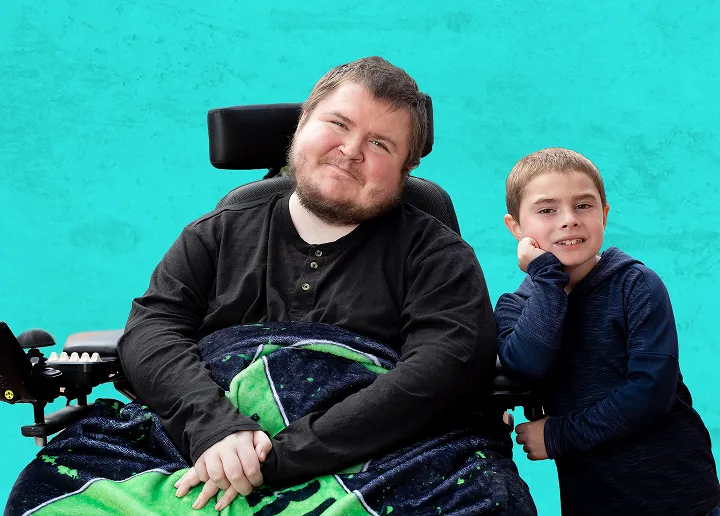
Meet Triston and Nicholas—they are living with Duchenne and they are paid ambassadors.